Technical area
Everything you need to know about our product: downloads, technical specifications and special finishes.
Downloads
Catalogues, technical datasheets, videos and images ready to download.
Catalogues and documents available for download.


PDF catalogues of our collections.
 PDF
PDFAged
Download PDF
PDFAllure
Download PDF
PDFAndros
Download PDF
PDFAntik
Download PDF
PDFAureus
Download PDF
PDFAzzo
Download PDF
PDFBrickstone
Download PDF
PDFCaprice
Download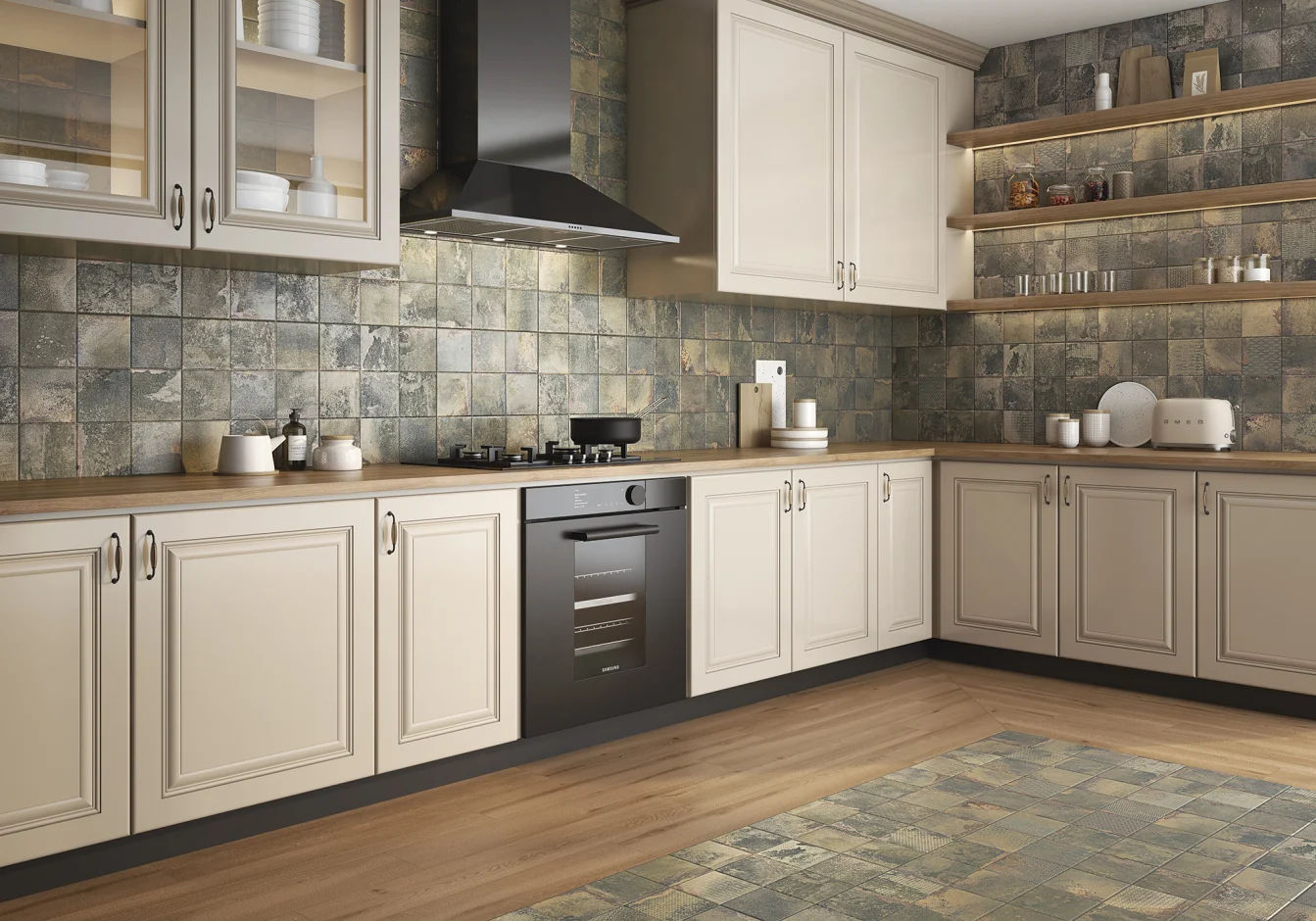 PDF
PDFCora
Download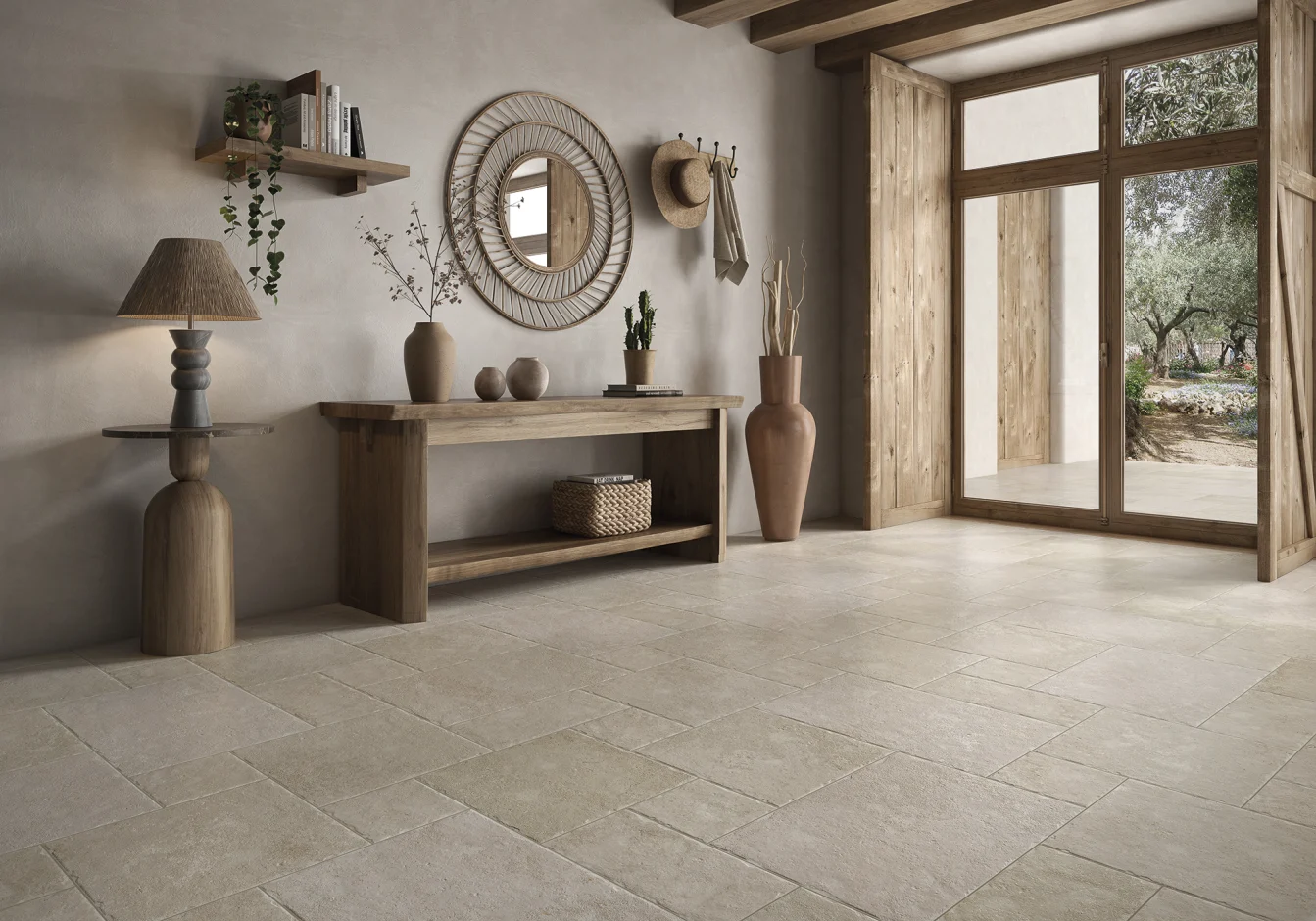 PDF
PDFCorinto
Download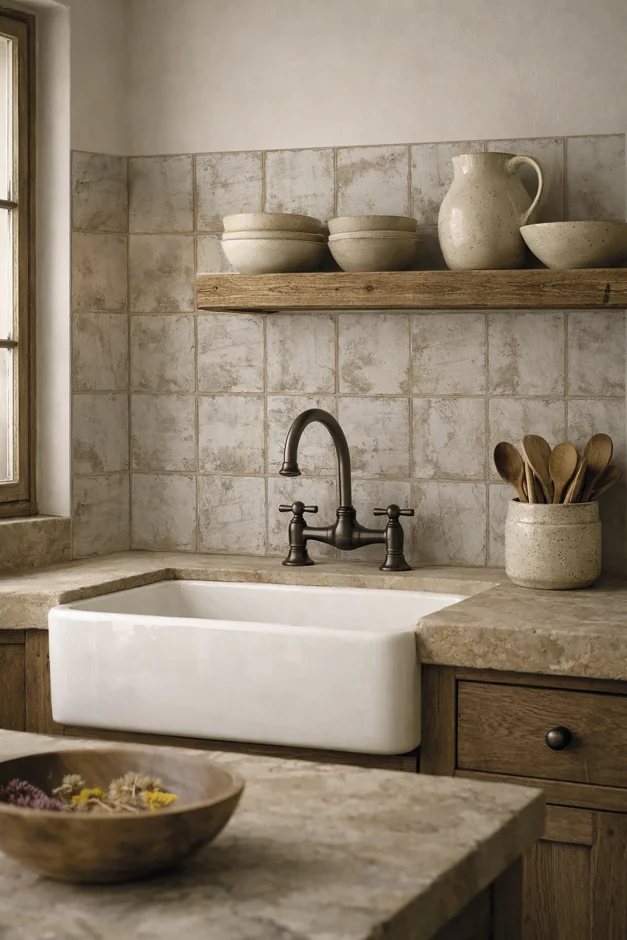 PDF
PDFCottage
Download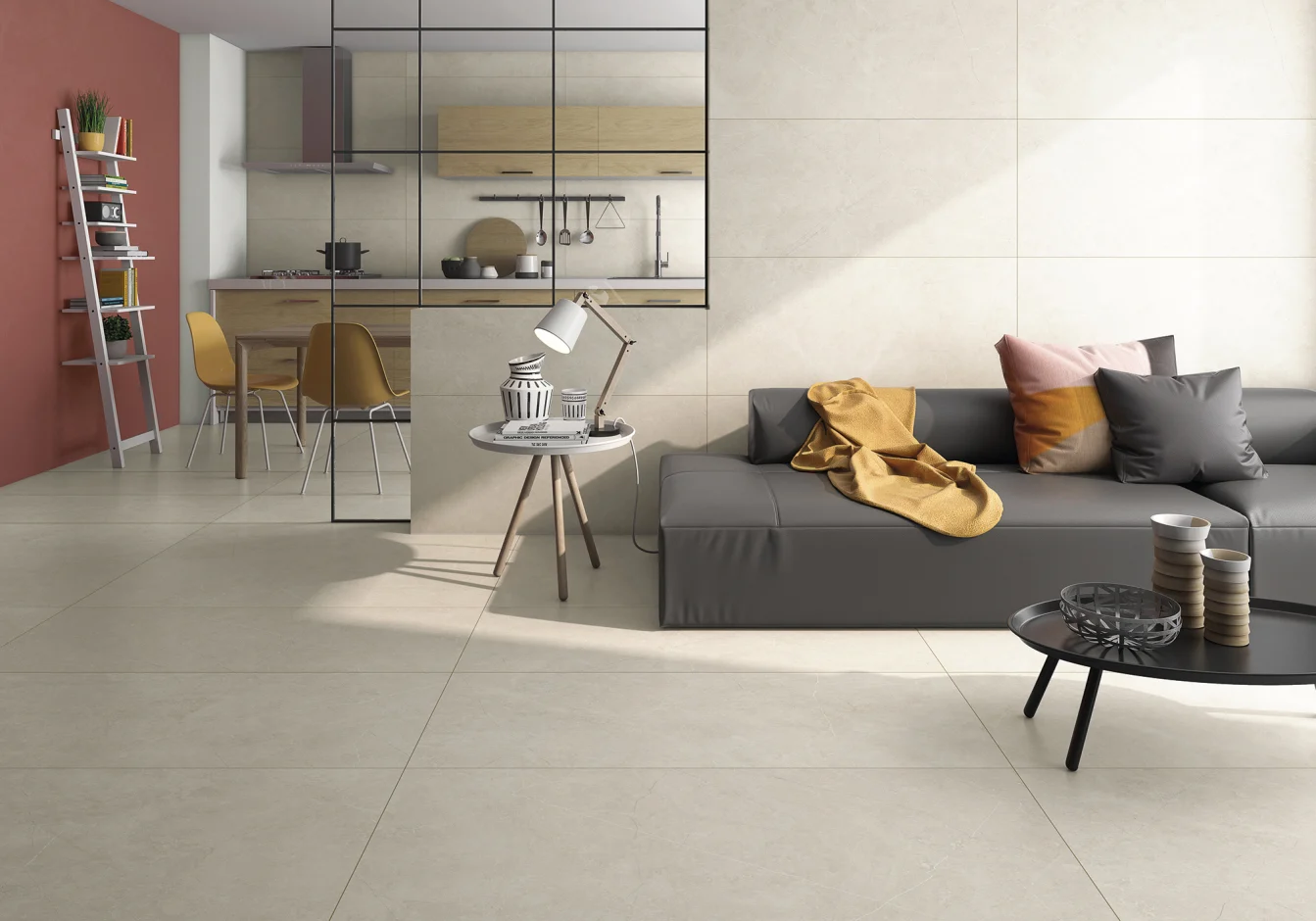 PDF
PDFDaima
Download PDF
PDFDenarius
Download PDF
PDFDusk
Download PDF
PDFEarth
Download PDF
PDFEarthsong
Download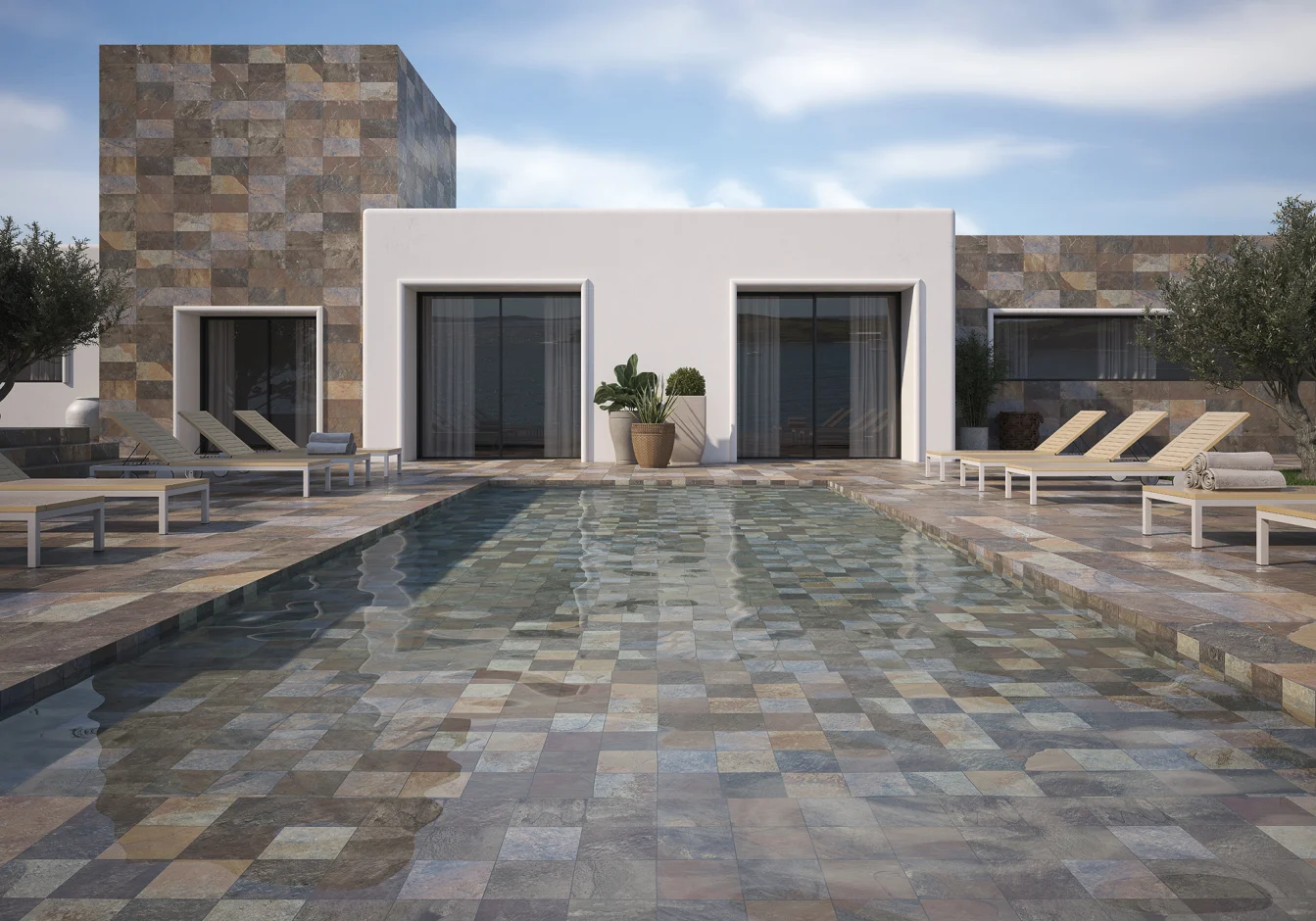 PDF
PDFEclat
Download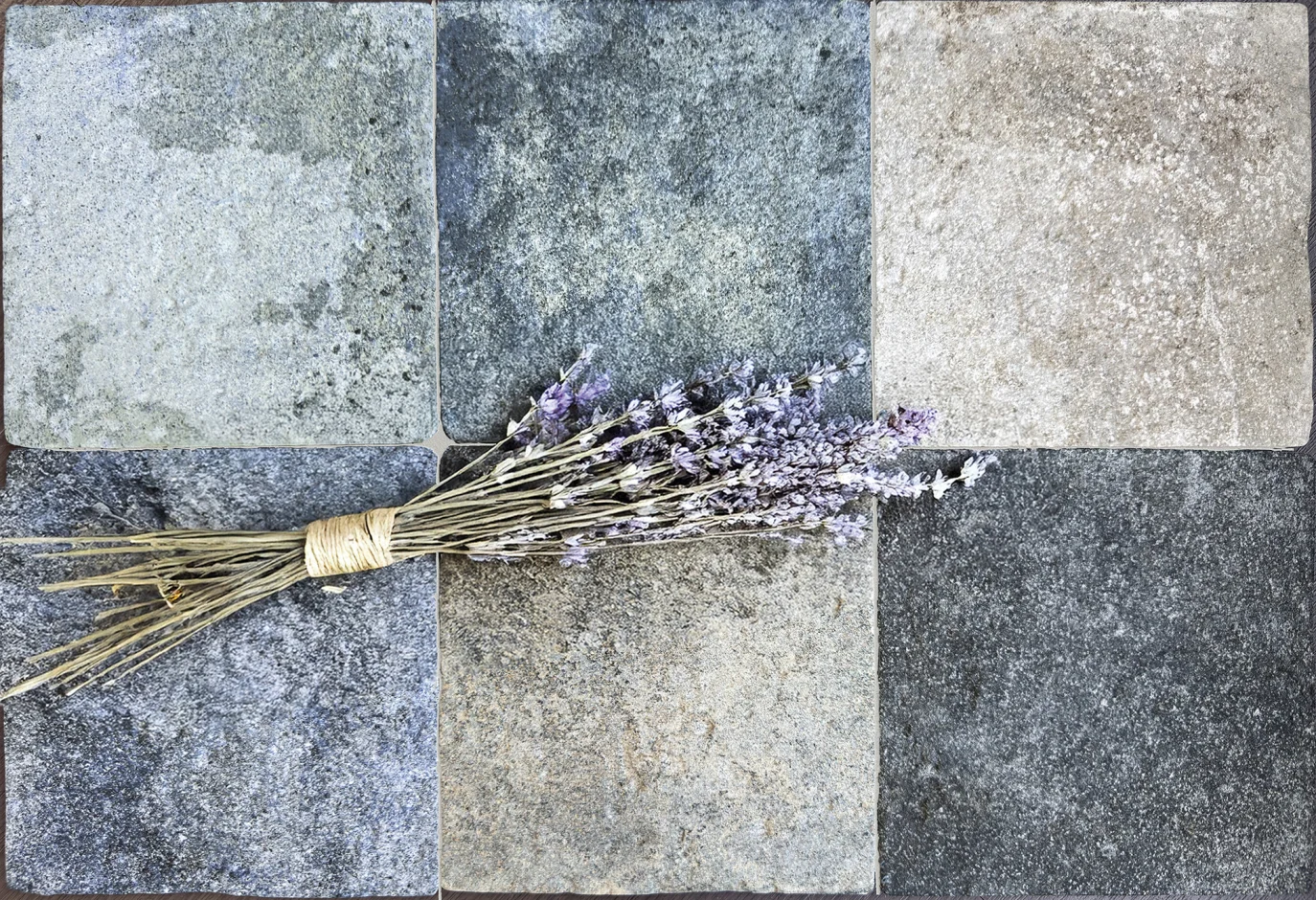 PDF
PDFEttrusco
Download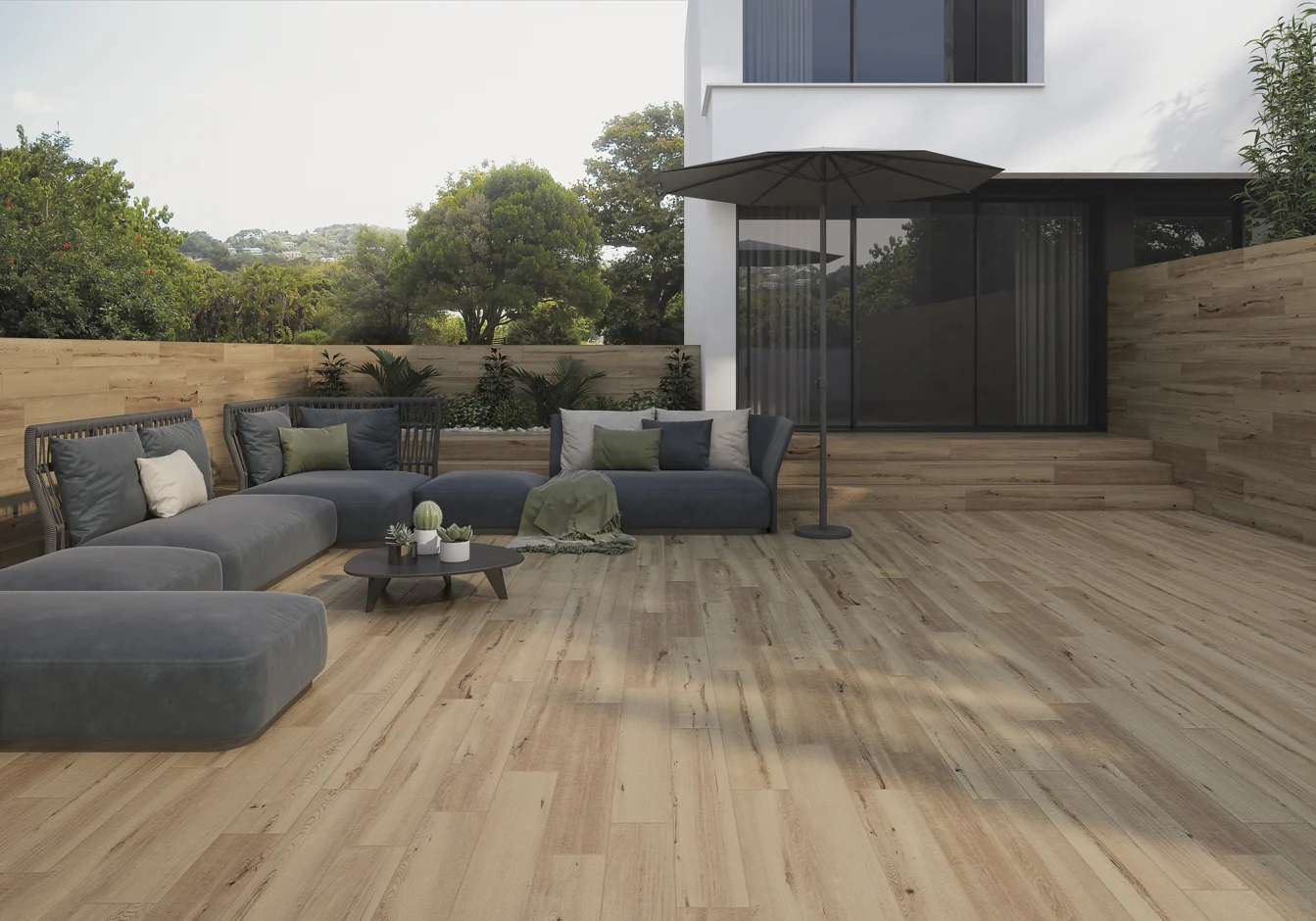 PDF
PDFForest
Download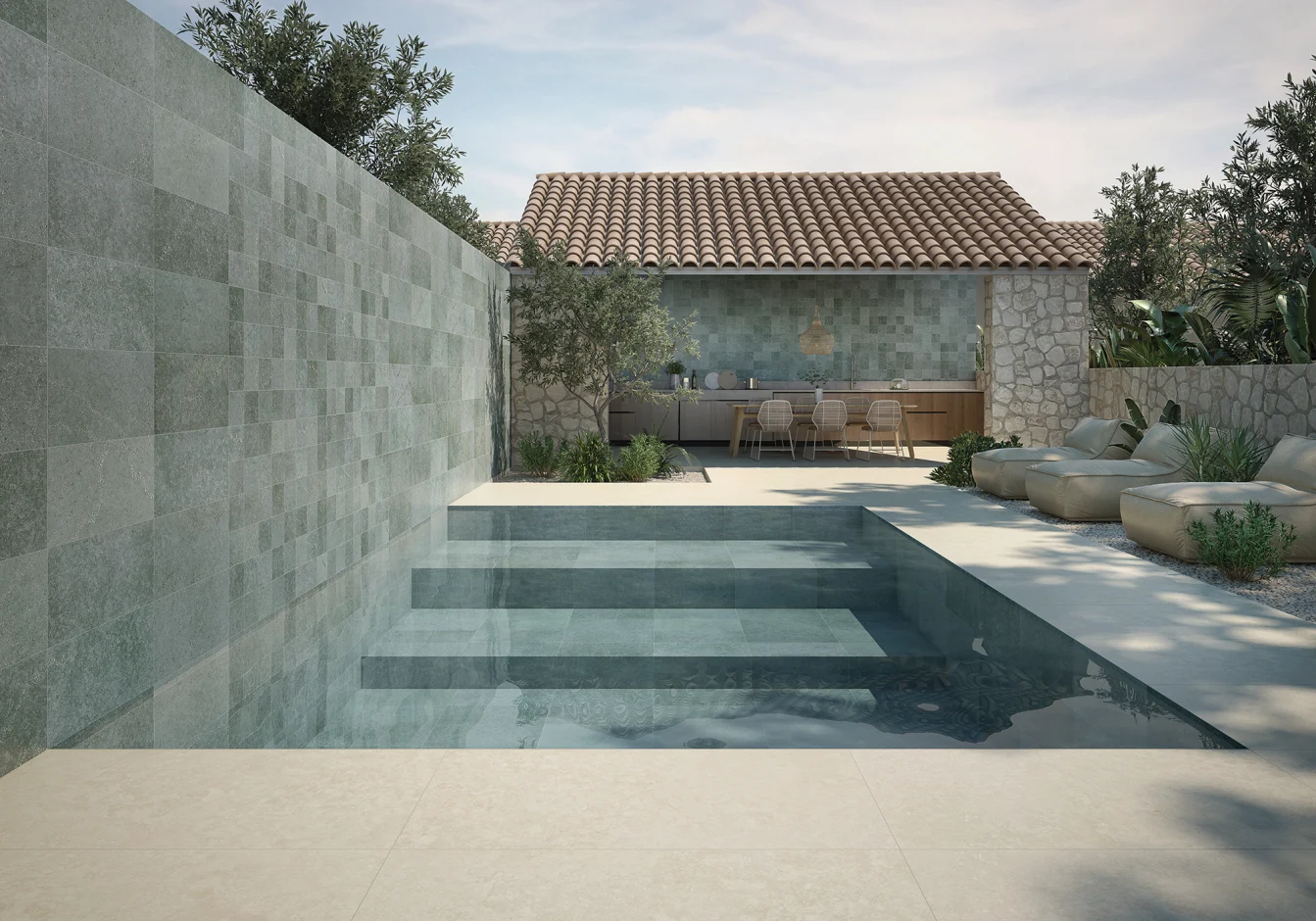 PDF
PDFJade
Download PDF
PDFKino
Download PDF
PDFKromo
Download PDF
PDFKur
Download PDF
PDFLure
Download PDF
PDFMallorca
Download PDF
PDFMaxford
Download PDF
PDFMenorca
Download PDF
PDFMillstone
Download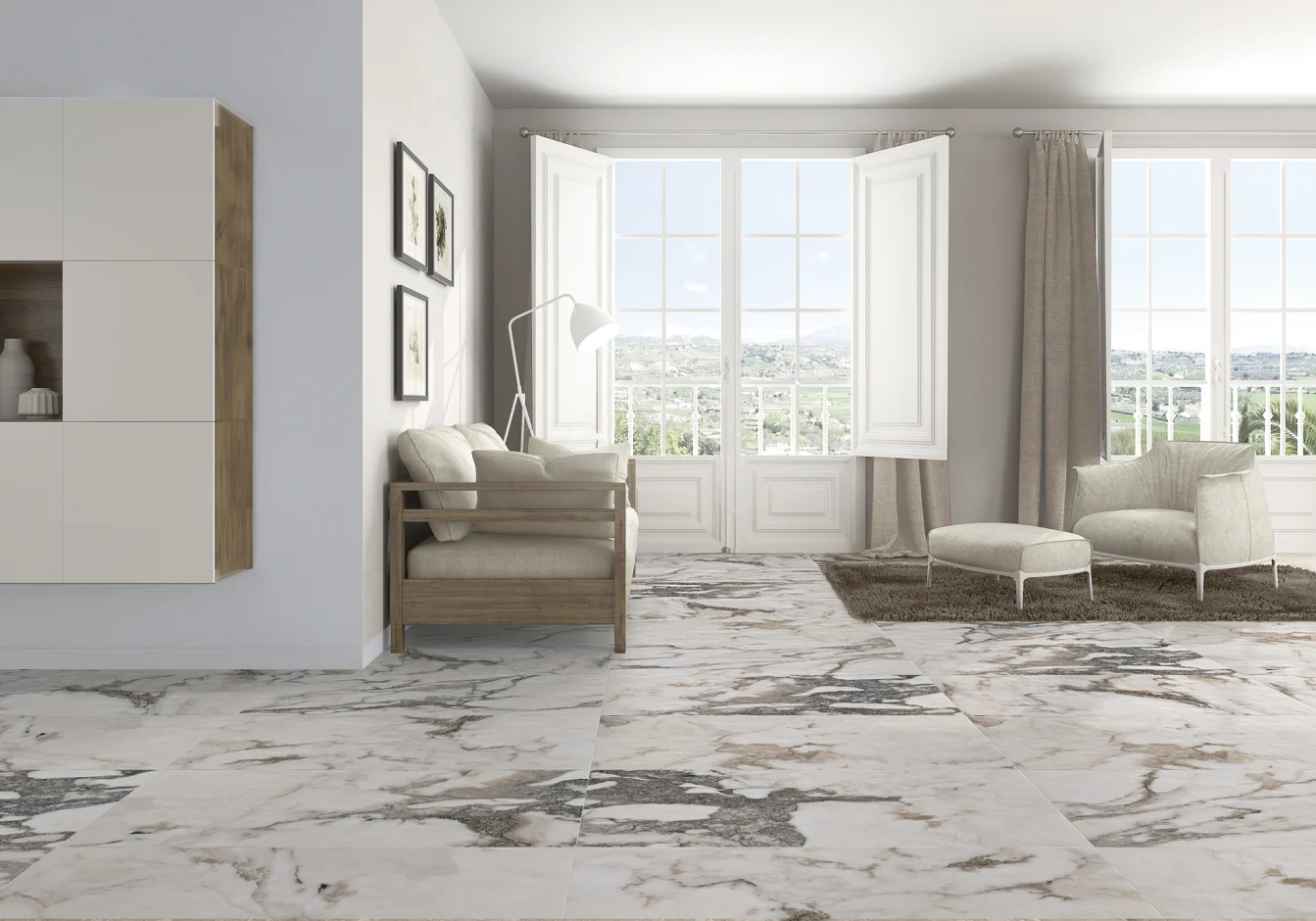 PDF
PDFNatra
Download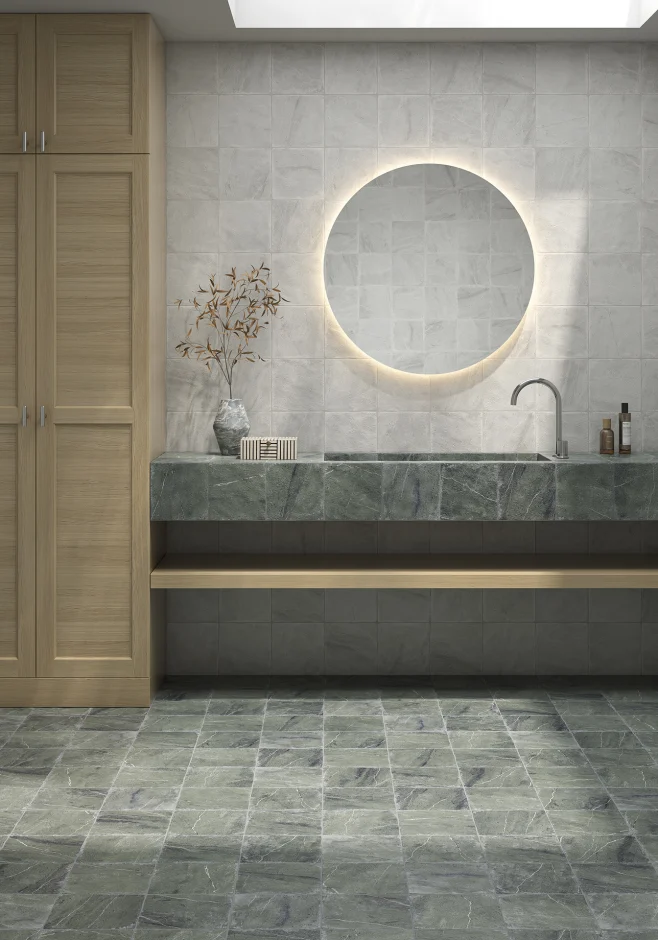 PDF
PDFOldstone
Download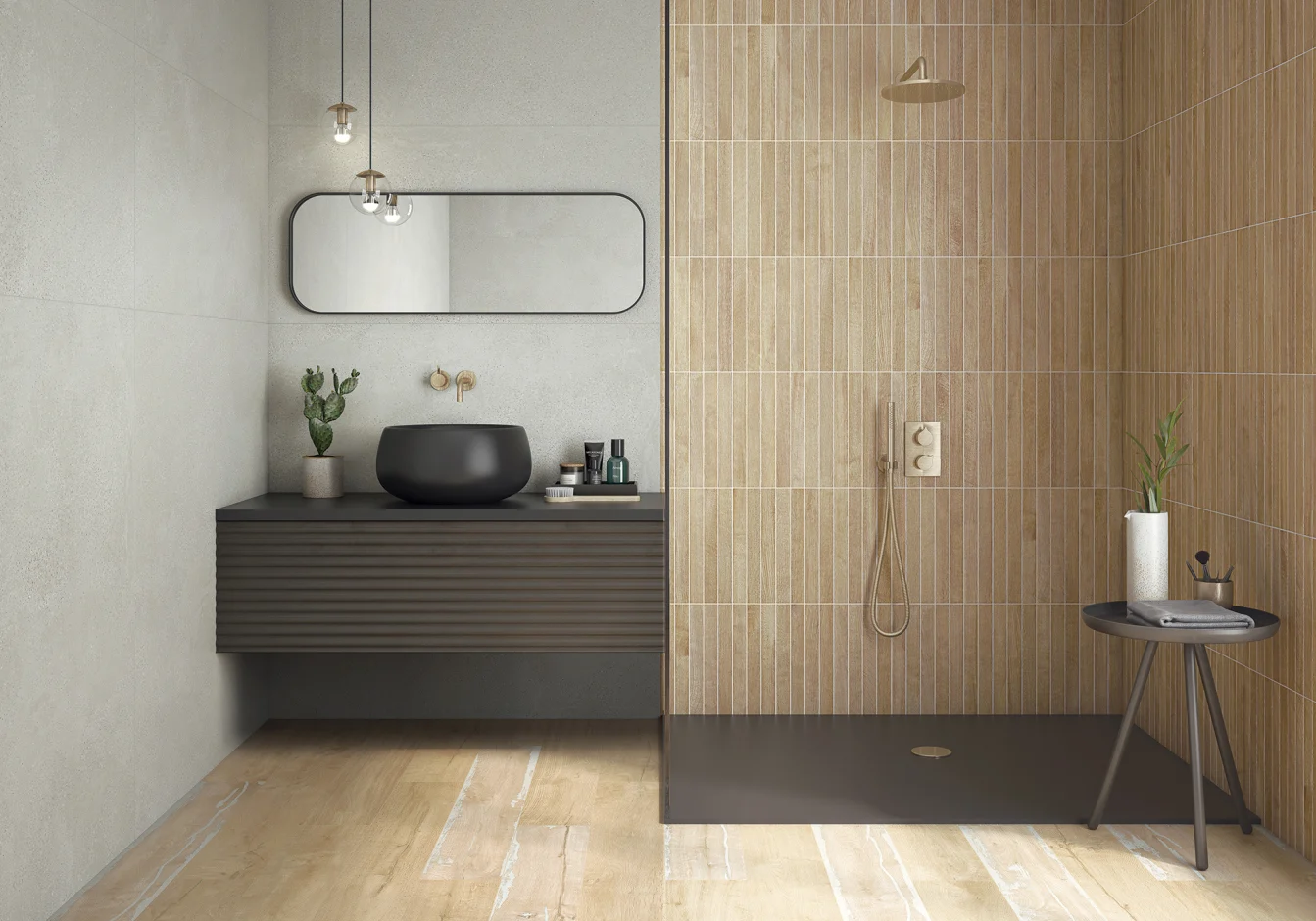 PDF
PDFOnik
Download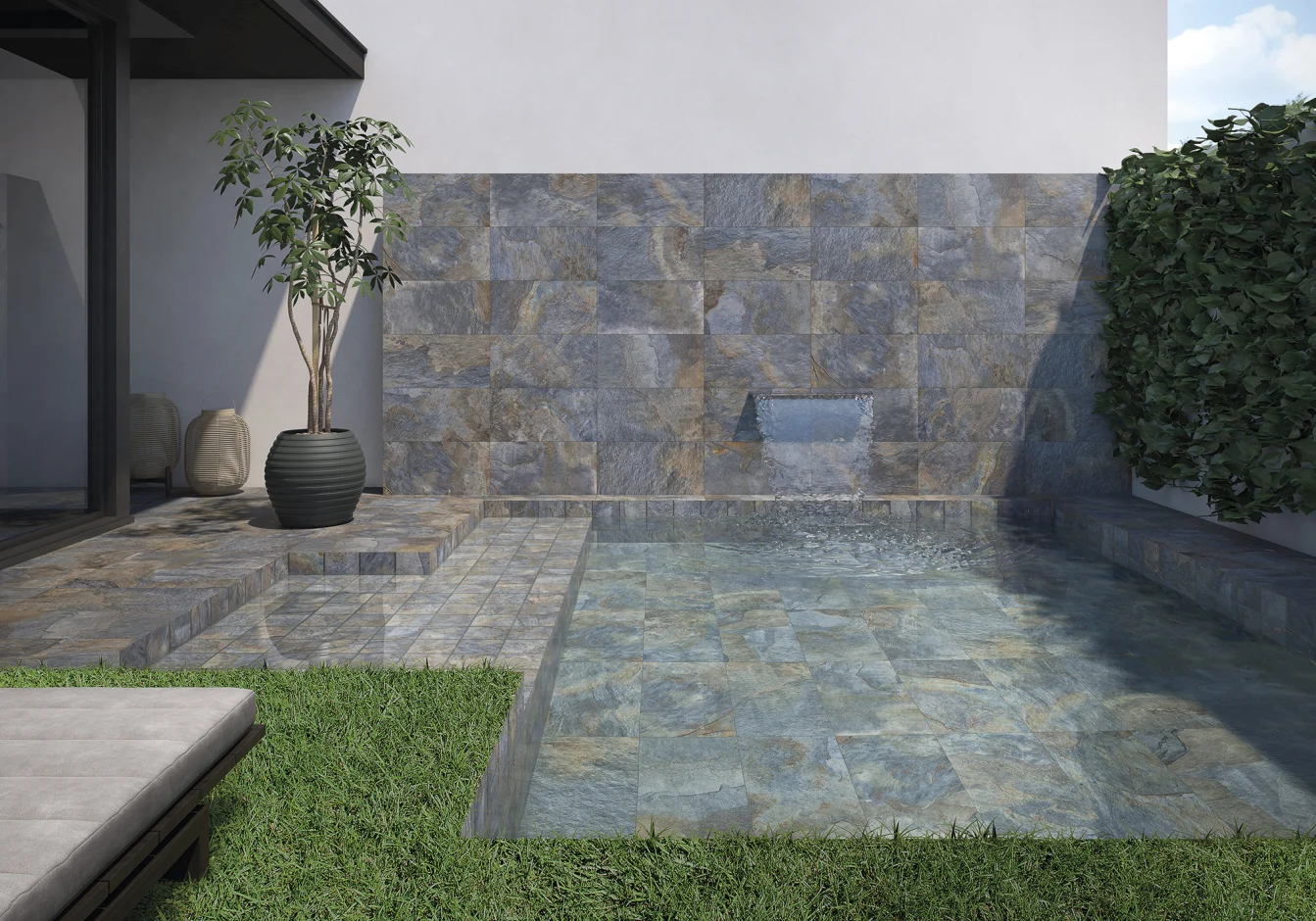 PDF
PDFPacific
Download PDF
PDFPatio
Download PDF
PDFPlaza
Download PDF
PDFPompeii
Download PDF
PDFQuinta
Download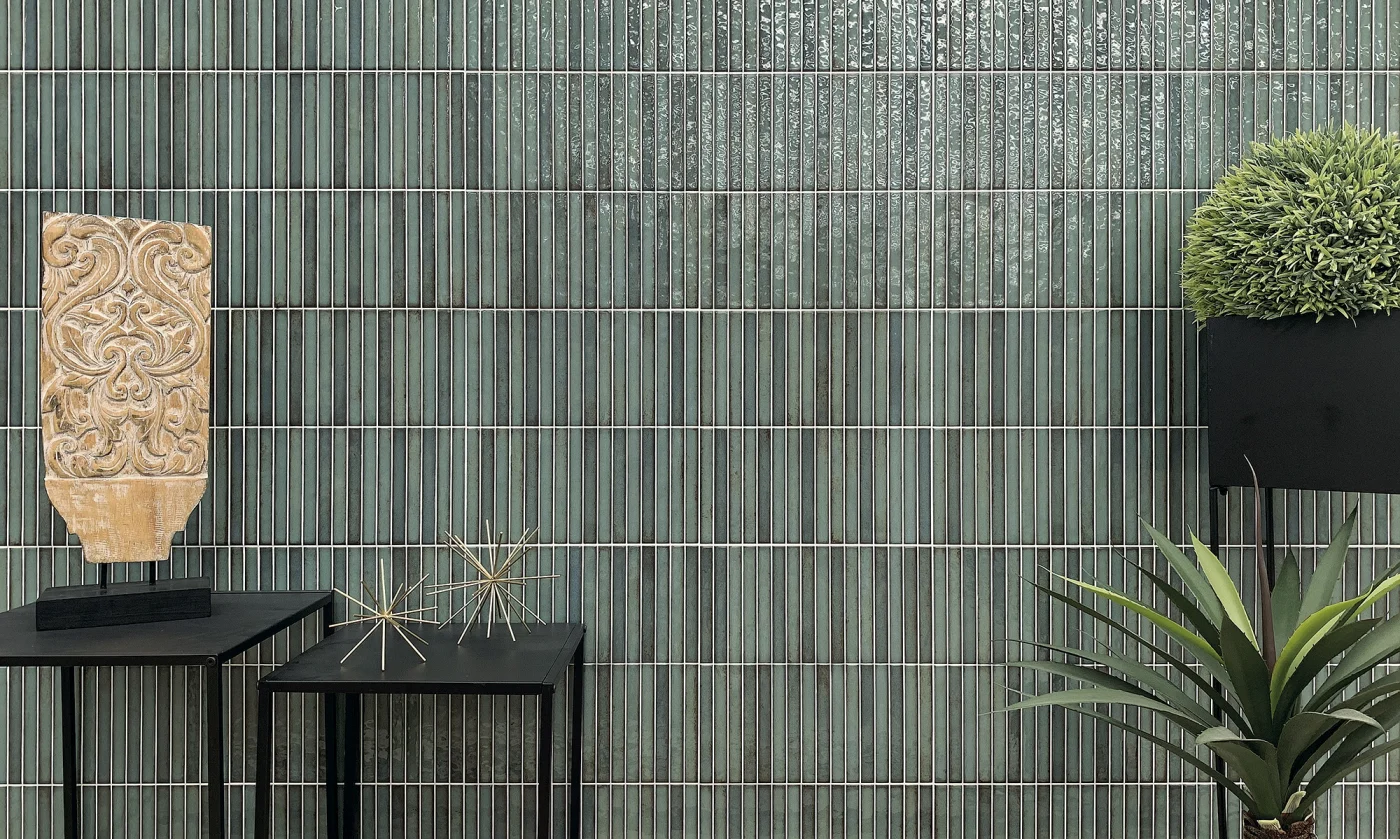 PDF
PDFRaku
Download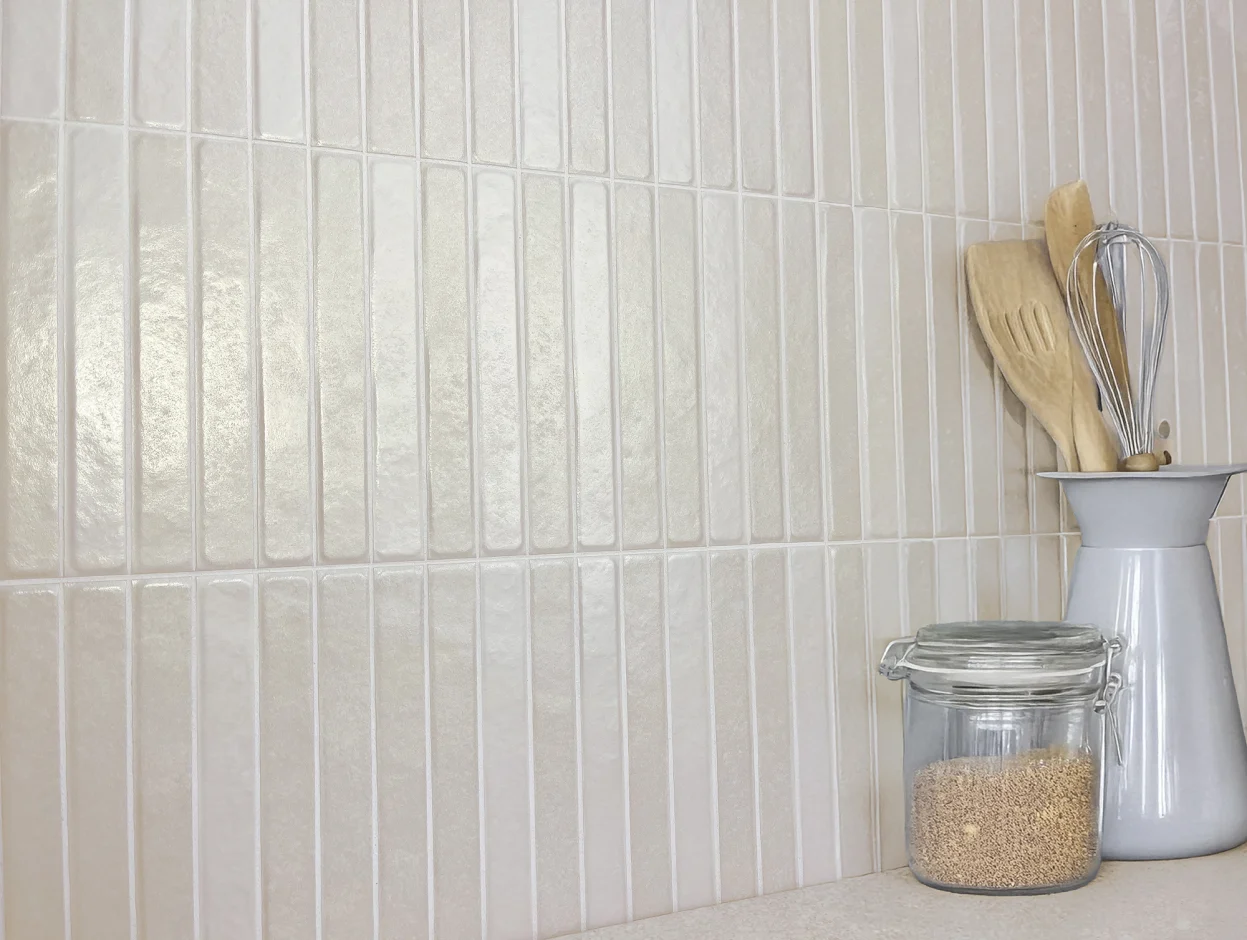 PDF
PDFReef
Download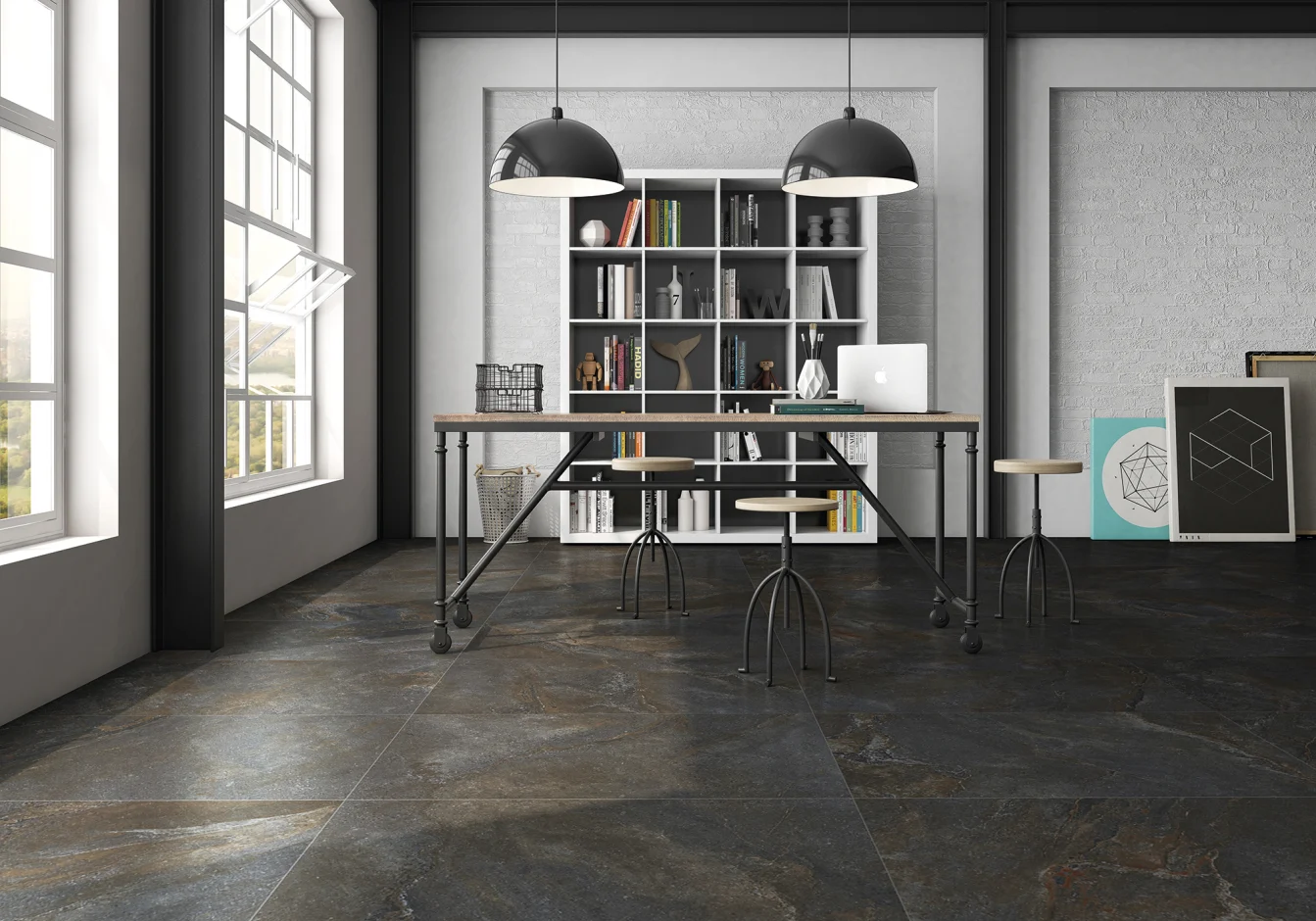 PDF
PDFRockslate
Download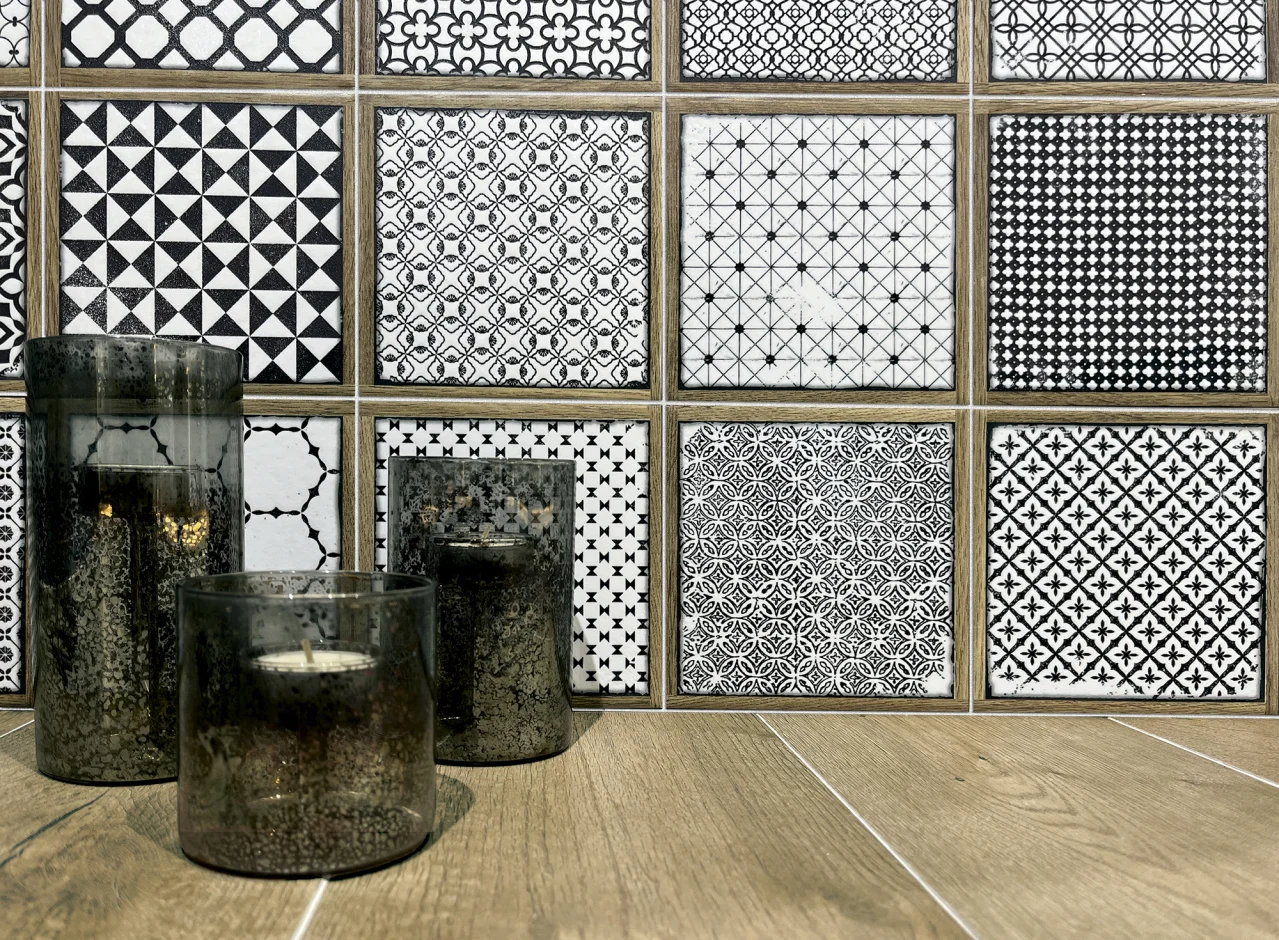 PDF
PDFRoos
Download PDF
PDFSaten
Download PDF
PDFShui
Download PDF
PDFSillar
Download PDF
PDFSiros
Download PDF
PDFStone
Download PDF
PDFStrings
Download PDF
PDFVittra
DownloadTechnical datasheets automatically generated with the specifications of each collection.
 PDF
PDF PDF
PDF PDF
PDF PDF
PDF PDF
PDF PDF
PDF PDF
PDF PDF
PDF PDF
PDF PDF
PDF PDF
PDF PDF
PDF PDF
PDF PDF
PDF PDF
PDF PDF
PDF PDF
PDF PDF
PDF PDF
PDF PDF
PDF PDF PDF
 PDF
PDF PDF
PDF PDF
PDF PDF
PDF PDF PDF
 PDF
PDF PDF PDF
 PDF
PDF PDF PDF
 PDF
PDF PDF
PDF PDF
PDF PDF PDF
 PDF
PDF PDF
PDF PDF
PDF PDF PDF
 PDF
PDF PDF PDF
Presentation videos for each collection.
Aged
Allure
Andros
Antik
Aureus
Azzo
Brickstone
Caprice
Cora
Cottage
Daima
Denarius
Dusk
Earth
Earthsong
Eclat
Ettrusco
Jade
Kino
Kromo
Kur
Lure
Mallorca
Maxford
Menorca
Millstone
Natra
Oldstone
Onik
Pacific
Plaza
Quinta
Raku
Rockslate
Roos
Siros
Stone
Vittra
Download all images from a collection (room settings and tiles) in a ZIP file.
 ZIP
ZIPAged
Download images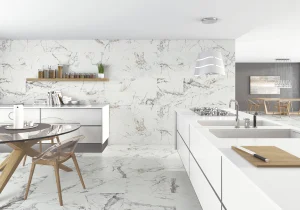 ZIP
ZIPAllure
Download images ZIP
ZIPAndros
Download images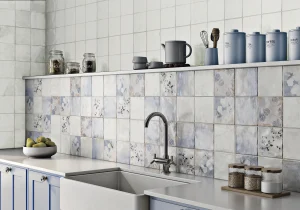 ZIP
ZIPAntik
Download images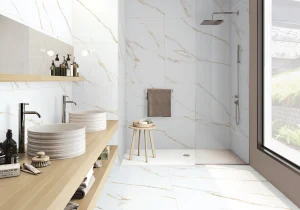 ZIP
ZIPAureus
Download images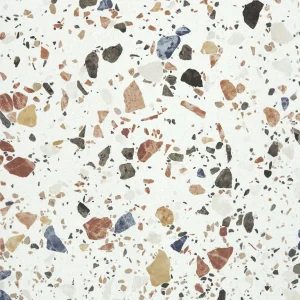 ZIP
ZIPAzzo
Download images ZIP
ZIPBrickstone
Download images ZIP
ZIPCaprice
Download images ZIP
ZIPCora
Download images ZIP
ZIPCorinto
Download images ZIP
ZIPCottage
Download images ZIP
ZIPDaima
Download images ZIP
ZIPDenarius
Download images ZIP
ZIPDusk
Download images ZIP
ZIPEarth
Download images ZIP
ZIPEarthsong
Download images ZIP
ZIPEclat
Download images ZIP
ZIPEttrusco
Download images ZIP
ZIPForest
Download images ZIP
ZIPJade
Download images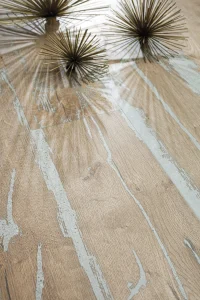 ZIP
ZIPKino
Download images ZIP
ZIPKromo
Download images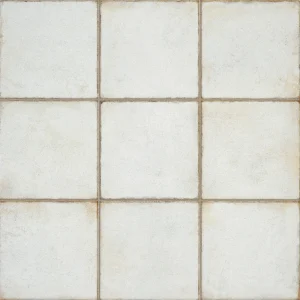 ZIP
ZIPKur
Download images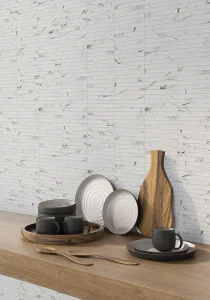 ZIP
ZIPLure
Download images ZIP
ZIPMallorca
Download images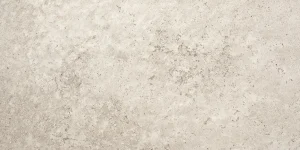 ZIP
ZIPMaxford
Download images ZIP
ZIPMenorca
Download images ZIP
ZIPMillstone
Download images ZIP
ZIPNatra
Download images ZIP
ZIPOldstone
Download images ZIP
ZIPOnik
Download images ZIP
ZIPPacific
Download images ZIP
ZIPPatio
Download images ZIP
ZIPPlaza
Download images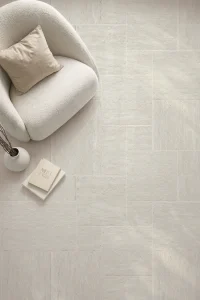 ZIP
ZIPPompeii
Download images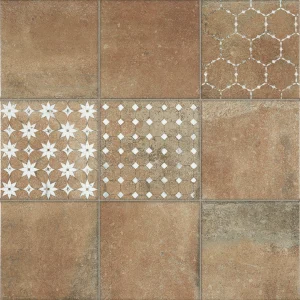 ZIP
ZIPQuinta
Download images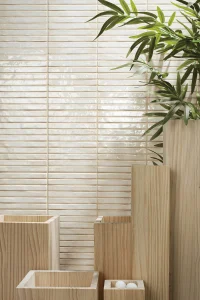 ZIP
ZIPRaku
Download images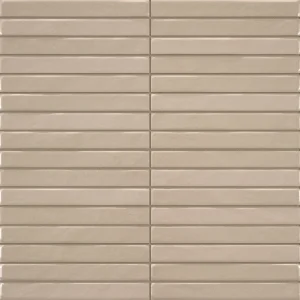 ZIP
ZIPReef
Download images ZIP
ZIPRockslate
Download images ZIP
ZIPRoos
Download images ZIP
ZIPSaten
Download images ZIP
ZIPShui
Download images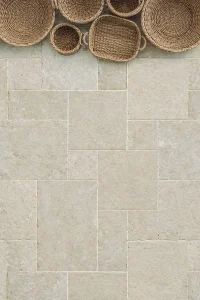 ZIP
ZIPSillar
Download images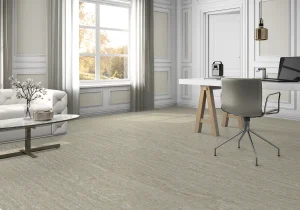 ZIP
ZIPSiros
Download images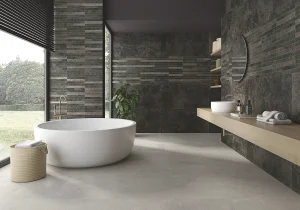 ZIP
ZIPStone
Download images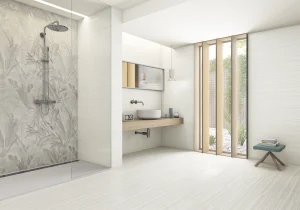 ZIP
ZIPStrings
Download images ZIP
ZIPVittra
Download imagesTechnical information
Standards, specifications and installation guidance for our material.
Materials
White body wall tiles and glazed porcelain tiles are not two different quality levels; they are two different materials designed for different uses. What sets them apart is water absorption: the less water a tile absorbs, the more resistant and versatile it is.
Water absorption makes the difference
The UNE-EN 14411 standard (equivalent to ISO 13006) classifies dry-pressed tiles according to their water absorption (E):
| Group | Absorption | Commercial designation |
|---|---|---|
| BIa | E ≤ 0,5 % | Porcelain tile |
| BIII | E > 10 % | Wall tile / white body |
The letter B indicates dry pressing. Our range falls within groups BIa and BIII, both glazed.
What does “glazed” mean?
Glaze is a vitrified coating that fuses to the visible surface during firing. It is the layer that provides colour, graphics and finish, and also determines the surface resistance to wear, stains and chemicals.
Working with glazed surfaces has a direct advantage: complete decorative freedom — marble, stone, concrete, wood, relief — without the body limiting the design. Our D-LINE and D-LINE PLUS finishes are applied precisely to this layer.
As the glaze seals the surface, neither our white body wall tiles nor our porcelain tiles require sealing or a water-repellent treatment after installation.
Characteristics of fixing materials
A key characteristic: adhesion
When choosing a fixing material, adhesion, or the bonding strength established between the ceramic tile and the substrate, is extremely important.
It can be of two types:
- Mechanical adhesion: based on the penetration of the adhesive into the pores of the materials to be bonded. Mechanical adhesion predominates in cement-based adhesives.
- Chemical adhesion: involves the formation of chemical bonds through contact between the adhesive and the tile. Chemical adhesion predominates in polymer resin-based adhesives.
Other characteristics
- Deformability: when tiles are installed on substrates where medium or high levels of movement are expected, or which are subject to vibration or thermal changes, a deformable adhesive should be used. Tiles smaller than 30 × 30 cm should be selected, the width of installation joints should be increased, and a greater number of movement joints should be provided.
- Resistance to permanent contact with water.
- Open time: this is the maximum period of time after applying the adhesive during which tiles can be installed without the adhesive losing its ability to bond properly. Exceeding the adhesive’s open time is a frequent cause of tile detachment. It is advisable not to spread adhesive over areas larger than 2 m² and to periodically check the tackiness of the adhesive by lifting a previously installed tile.

*If the adhesive has the additional characteristic of deformability, the manufacturer will indicate this as S1 or S2.
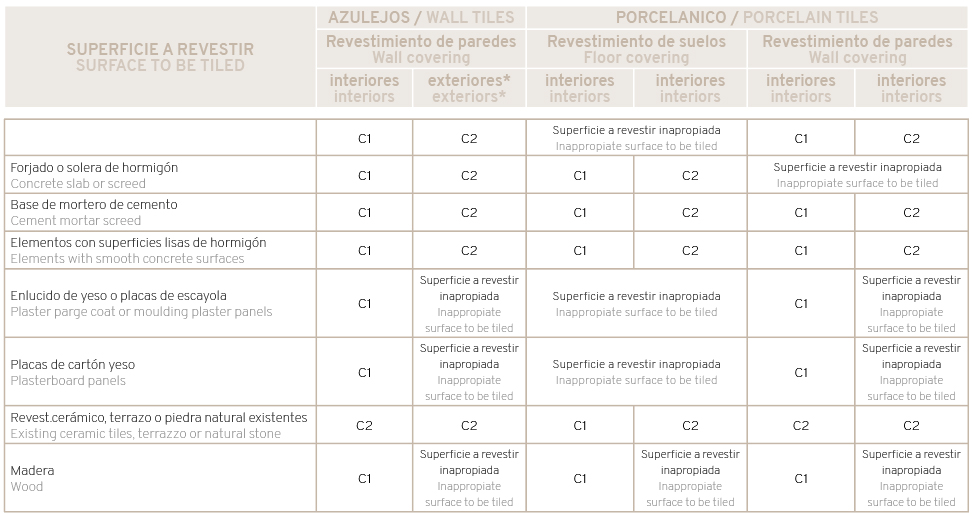
*The use of ceramic wall tiles outdoors is not recommended.
Cementitious adhesives (tile adhesives) (C)
These consist of a hydraulic binder (Portland cement), sand with a controlled particle-size distribution, and polymeric and organic additives.
Where to use it
Three questions solve 90% of cases: floor or wall? Indoor or outdoor? Does it get wet? If it is outdoors, or a floor subject to foot traffic, porcelain tile is the answer.
General installation recommendations
- Although rectangular formats may look better aesthetically when installed in a staggered pattern, it is not recommended to offset them by half the length of the tile. To avoid installation problems, the offset should not exceed 20% of the side on which it is applied.
- Tiles should not be soaked before installation when using cementitious adhesives, such as C1 and C2 adhesives.
- It is recommended to level the surfaces before applying adhesive products (mortars, cementitious adhesives, etc.).
- Structural, perimeter and movement joints must be respected.
- It is recommended to install the product by mixing tiles from several boxes at the same time. Before installation, different tiles should be laid out to check colour consistency.
- As a general rule, do not use abrasive products. Clean with water and soap.

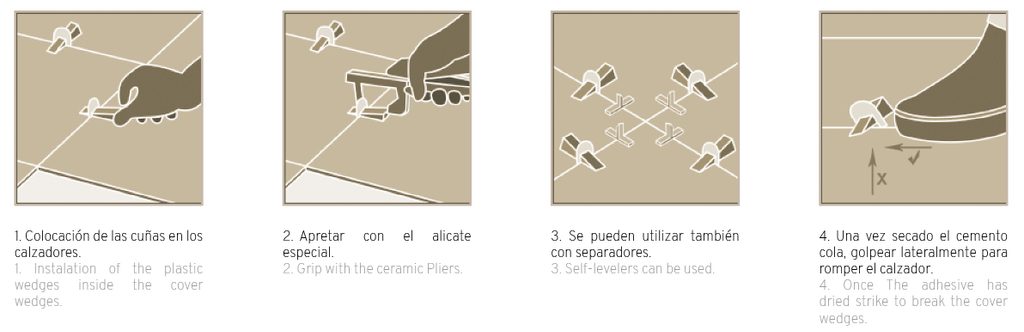
Use of levelling systems
Floor and wall tiles with at least one side measuring 60 cm or more should be installed using a tile levelling system to ensure correct installation.
Why white body wall tiles are not suitable for floors or outdoor use
Its water absorption exceeds 10%. Water penetrates the body and, if it freezes, expands and causes the tile to spall. In addition, its breaking load is an order of magnitude lower than that of porcelain tile. It is an excellent product for interior wall cladding and should not be used beyond this application.
Common borderline cases
- Bathroom with a walk-in shower: the floor becomes a sloped wet area. Class 2 slip resistance is required, or Class 3 within the shower area itself.
- Enclosed gallery or covered porch: for frost-resistance purposes, it is still considered an outdoor area if it remains open to the external environment.
- Underfloor heating: glazed porcelain stoneware is compatible with underfloor heating and is highly efficient due to its thermal conductivity. The key factors are the installation system, including the use of a deformable adhesive, and compliance with the correct commissioning procedure.
- Cold-storage rooms: these should be treated in the same way as outdoor areas exposed to a risk of frost.
- External walls with white-body ceramic tiles: this application is not recommended. Although the glaze seals the visible surface, the edges and back of the tile remain water-absorbent.
Technical datasheet
Every technical datasheet includes the same parameters. Here is what each one measures, the applicable standard and the value to look for.
Characteristics applicable to all ceramic tiles
Regardless of their intended use, according to UNE-EN 14411:
| Characteristic | Standard | Required value |
|---|---|---|
| Dimensional characteristics | UNE-EN ISO 10545-2 | According to the applicable annex of UNE-EN 14411 |
| Moisture expansion | UNE-EN ISO 10545-10 | Maximum 0.6 mm/m |
| Crazing resistance | UNE-EN ISO 10545-11 | Minimum 3 cycles without crazing |
| Chemical resistance to household products | UNE-EN ISO 10545-13 | Minimum Class A |
| Resistance to acids and alkalis (low concentration) | UNE-EN ISO 10545-13 | Minimum Class LB |
| Stain resistance | UNE-EN ISO 10545-14 | Minimum Class 3 (cleaning method C) |
Parameter by parameter
Water absorption — UNE-EN ISO 10545-3. Determines the classification group. It is the parameter that conditions all the others.
Breaking load and flexural strength — UNE-EN ISO 10545-4. The force the tile can withstand before breaking. Reference values: ≥ 450 N for walls; ≥ 900 N for floors with light to heavy traffic; ≥ 2,000 N where loads are moved; ≥ 4,500 N for urban paving with light vehicles.
Surface abrasion resistance (PEI) — UNE-EN ISO 10545-7. This wear parameter applies to glazed tiles and measures how many cycles the glaze withstands before its appearance changes.
| PEI | Recommended use |
|---|---|
| I | Walls; bathroom and bedroom floors without abrasive dirt |
| II | Low-traffic residential areas |
| III | All residential areas except outdoor entrances and heavily used kitchens |
| IV | Entire home and light commercial areas |
| V | Heavy, commercial and public traffic |
Scratch hardness (MOHS) — EN 101. A scale from 1 to 10 indicating the glaze’s resistance to scratching. It complements PEI: PEI measures wear caused by abrasion, while MOHS measures localised scratching.
Slip resistance — explained in the Slip Resistance tab.
Frost resistance — UNE-EN ISO 10545-12. Requires water absorption below 3% and successful completion of the freeze-thaw cycle test. Porcelain tile meets this requirement; white body wall tile does not.
Thermal shock resistance — UNE-EN ISO 10545-9. Behaviour when exposed to sudden temperature changes.
Chemical resistance — UNE-EN ISO 10545-13. Classes A/B/C for household products and swimming pool salts; classes LA/LB (low concentration) and HA/HB (high concentration) for acids and alkalis.
Stain resistance — UNE-EN ISO 10545-14. From Class 5 (the stain can be removed with hot water) to Class 1 (irreversible). The minimum standard requirement is Class 3.
Moisture expansion — UNE-EN ISO 10545-10. Expansion of the tile due to moisture absorption. Maximum 0.6 mm/m. A high value can cause floor tiles to buckle.
Crazing resistance — UNE-EN ISO 10545-11. Formation of microcracks in the glaze caused by stresses between the glaze and the body. This test is particularly relevant for glazed products.
Commercial data that are not test results
Shade (batch) — Tiles are grouped according to their firing shade. Tiles of the same model but with different shades should not be mixed within the same installation area.
Calibre — Actual dimensional group within the manufacturing tolerance. As with shade, the same calibre should be used throughout each installation area.
Rectified — Mechanical cutting of the tile edges after firing to achieve precise dimensions. It allows installation with a minimal joint (1.5–3 mm). Non-rectified tiles require a wider joint.
V1 to V4 (shade variation) — V1 uniform appearance, V2 slight variation, V3 moderate variation, V4 substantial variation between tiles. It is an aesthetic criterion, not a quality rating.
Slip resistance
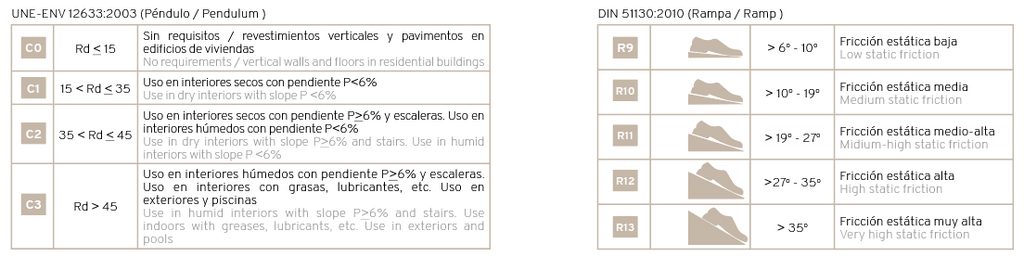
In Spain, flooring in commercial premises is not chosen based on aesthetics alone; it must comply with the CTE. Basic Document SUA 1 establishes the slip-resistance class required for each area, determined by the pendulum test.
Slip resistance and conditions of use

Our ADL finish
ADL is the name we use for our anti-slip versions: a surface developed to provide greater grip, certified as Class 3 according to UNE-ENV 12633:2003. It is the recommended option for terraces, porches, bathrooms with walk-in showers and swimming pool areas.
CE marking and DoP
Ceramic tiles are covered by the harmonised standard UNE-EN 14411 and bear CE marking with a Declaration of Performance (DoP) in accordance with Regulation (EU) No 305/2011 on construction products. The DoP certifies the declared performance values and accompanies the product supply.
Maintenance
Glazed ceramic tile is one of the lowest-maintenance materials available: water and a neutral detergent are enough, and no sealing is required. The most delicate stage is the initial post-installation cleaning.
Initial cleaning after installation
After grouting, a cement film remains on the surface. In most cases, a diluted acidic solution (commercial vinegar) is sufficient. Specific post-construction cleaners with higher concentrations are also available and should be used with caution.
Precautions that prevent most damage:
- Never carry out acid cleaning on newly installed tiles. Acid reacts with uncured cement and may damage the joints or leave insoluble compounds on the surface.
- Wet the surface with clean water before any chemical treatment, to prevent the grout and substrate from absorbing the product.
- Rinse with water immediately after the treatment.
- Always test the product on a hidden area before applying it more widely.
- Do not use solid detergents containing abrasive particles on glossy surfaces.
Routine maintenance
Clean periodically with water or a diluted neutral detergent solution. Nothing else is required: as a glazed product, it does not need waxes, sealers or water-repellent treatments.
On floors: avoid abrasives, impacts and punctures. Avoid contact with strong acids (hydrochloric acid). Do not allow standing water to remain, as seepage may affect the floor structure.
On walls: avoid rubbing and punctures. Do not hang heavy items from the wall covering without anchoring them to the partition, taking care not to drill into concealed services.
Black or greenish stains: these are mould caused by moisture. Clean them as soon as possible with household bleach, first testing its effect on a spare tile, and identify and eliminate the source of the moisture.
Stain removal table
| Type of stain | Cleaning agent |
|---|---|
| Cement and limescale residues | Diluted organic acids (vinegar) |
| Rust deposits | Phosphoric acid |
| Oils | Ethyl alcohol |
| Tar or bitumen | Trichloroethylene |
| Paint | Specific solvent |
| Rubber | Organic solvents |
| Beer or wine | Alkaline detergents |
| Iodine | Hydrogen peroxide |
| Blood | Hydrogen peroxide or diluted sodium hypochlorite (bleach) |
| Coffee, tea or fruit juice | Detergent in hot water, followed by hot water or bleach |
| Ink or Mercurochrome | Diluted sodium hypochlorite (bleach) |
Replacement and special surfaces
Replacement. At the end of the project, it is advisable to keep a reserve equivalent to 1% of the installed material, in the same shade and calibre. Repairs should be carried out using the same products as the original installation.
Textured finishes (D-LINE, D-LINE PLUS) and ADL.
The texture can retain slightly more dirt during daily use. Cleaning is the same — water and neutral detergent — but it is advisable to use a mop or soft brush rather than a flat cloth, so the deeper areas of the texture can be reached. Do not use metal scouring pads.
Glossy surfaces.
Avoid powdered detergents containing abrasive particles: over time, they can dull the glaze.
FAQ
The most frequently asked questions and key industry terminology.<br/>
Frequently asked questions
Can I use white body wall tiles on the floor?
No. Its water absorption exceeds 10%, and its breaking load is much lower than that of porcelain tile. It is a product designed for interior wall cladding.
Can porcelain tile be installed on walls?
Yes, without any problem. For large formats or tiles weighing more than 25 kg/m², mechanical fixing should be considered and C2 adhesive with double buttering should be used.
Why glazed?
Because the glaze is the layer that defines colour, graphics and surface performance. It allows marbles, stones, concretes and woods to be reproduced with a level of definition that through-body colour cannot achieve, while sealing the surface so that no subsequent sealing or stain-protection treatment is required.
Rectified or non-rectified?
Rectified tiles allow a minimal joint (1.5–3 mm) and a more continuous appearance. Non-rectified tiles require a wider joint. The joint should never be less than 1.5 mm.
Can I mix boxes from different batches?
No. Shade and calibre must be consistent throughout the same installation area. Check the packaging before starting.
How much extra material should I order?
Between 5% and 15% depending on the installation pattern, plus an additional 1% reserve for future replacements.
Is ceramic tile suitable for underfloor heating?
Yes. It is one of the best finishes due to its thermal conductivity. The key is the installation system: deformable adhesive and compliance with the commissioning protocol.
Does it require any treatment after installation?
No. Glazed products do not require sealing, wax or water-repellent treatment. Only the initial post-installation cleaning is required to remove the cement film.
Why do tiles lift?
The most common cause is the absence of perimeter joints. Other causes include insufficient movement joints in large tiled areas, uncured substrates and insufficient adhesive.
Is an R11 rating sufficiently slip resistant?
R11 (DIN 51130) is indicative. In Spain, the applicable requirement is the CTE DB-SUA 1 class obtained through the pendulum test (Rd). Our ADL finish is certified as Class 3 according to UNE-ENV 12633:2003.
Can it be installed over existing flooring?
It is possible in certain cases, provided the substrate is properly prepared and a suitable adhesive is used. The flatness, adhesion and stability of the existing flooring must be assessed.
Glossary
| Term | Definition |
|---|---|
| Water absorption (E) | Percentage of water absorbed by the tile. It determines the classification group. |
| ADL | Our designation for models with an anti-slip finish, Class 3 according to UNE-ENV 12633:2003. |
| Ceramic body | Fired ceramic body before glazing. |
| Calibre | Actual dimensional group within the manufacturing tolerance. |
| Thin-bed installation | Installation with cementitious adhesive on a level substrate. |
| Crazing | Microcracks in the glaze caused by stresses between the glaze and the body. |
| Decoupling | Intermediate layer that separates the tiled surface from the substrate. |
| Double buttering | Application of adhesive to both the substrate and the back of the tile. |
| Engobe | Light-coloured clay layer applied before glazing to conceal the colour of the body. |
| Glaze (GL) | Vitrified coating applied to the visible surface. |
| Efflorescence | Whitish deposit of salts originating from the mortar. |
| MOHS | Scratch hardness scale from 1 to 10 (EN 101). |
| Single firing | Single firing of the ceramic body and glaze. |
| Classification of surface abrasion resistance for glazed tiles. | Classification of surface abrasion resistance for glazed tiles. |
| Rd | Slip-resistance value determined by the pendulum test. |
| Rectified | Mechanical cutting of the tile edges after firing to achieve precise dimensions. |
| Grouting | Material used to fill tile installation joints. |
| Shade | Shade group resulting from the firing process. |
| V1–V4 | Degree of visual variation between tiles of the same model. |
See the technical datasheet for each collection under Downloads →
Finishes
D-Line, D-Line Plus and ADL: what they are and which collections they are available in.
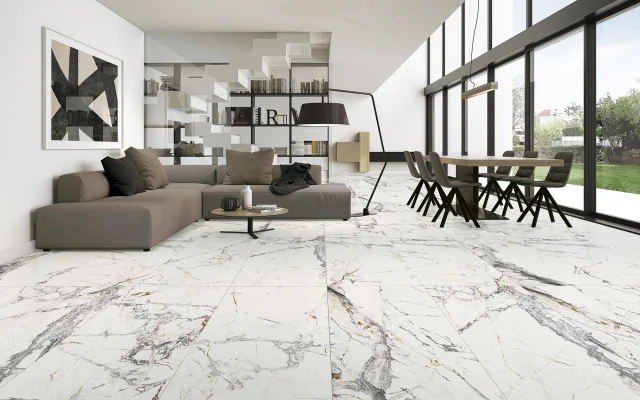
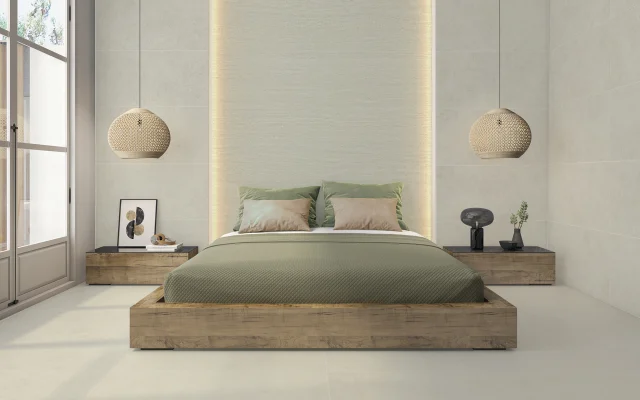
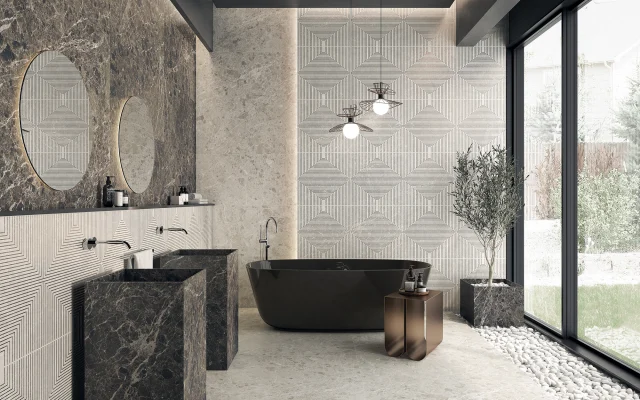
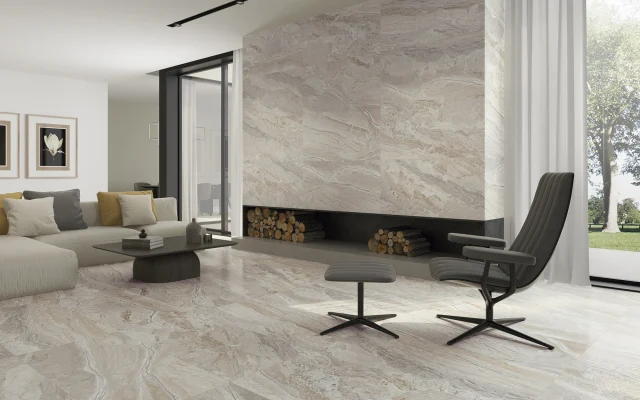
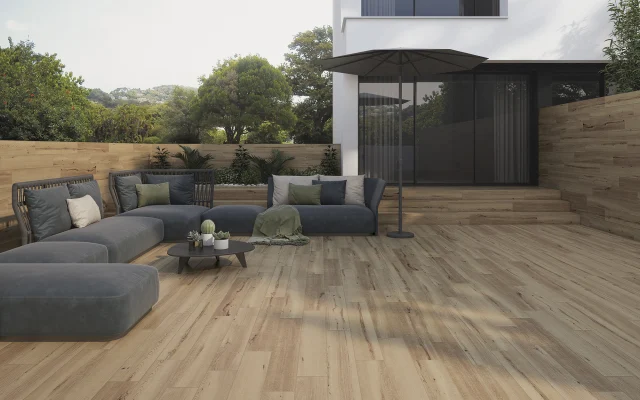
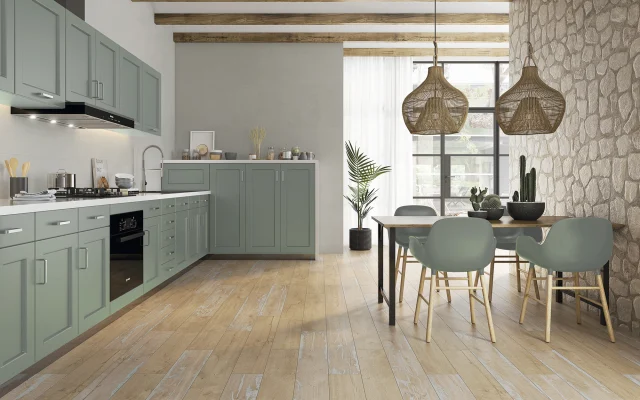
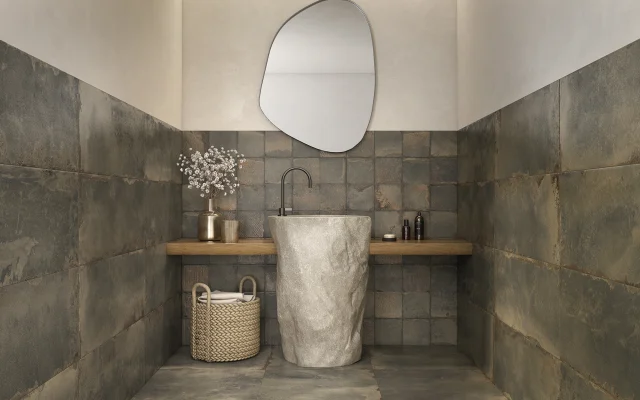
D-LINE
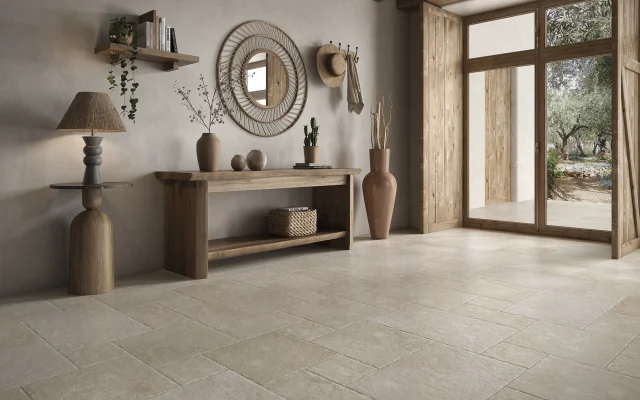
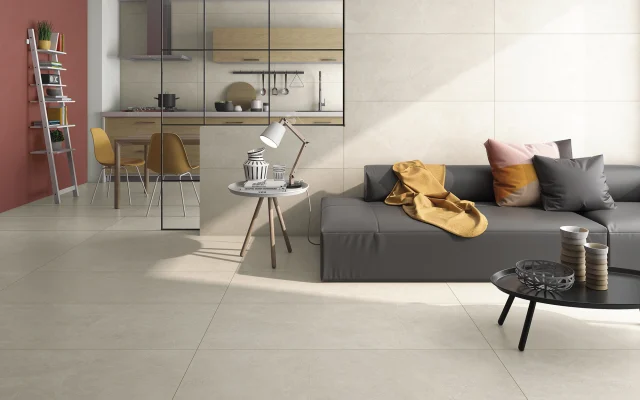
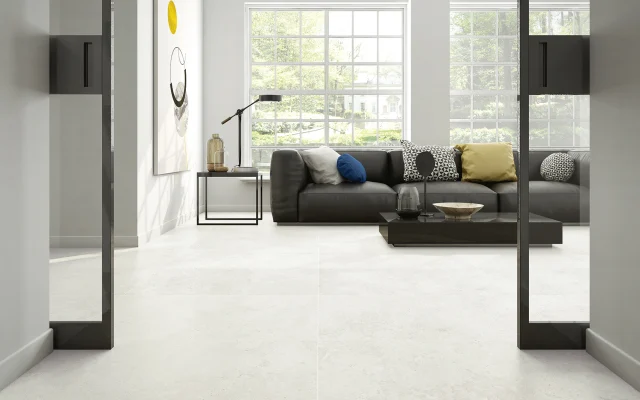
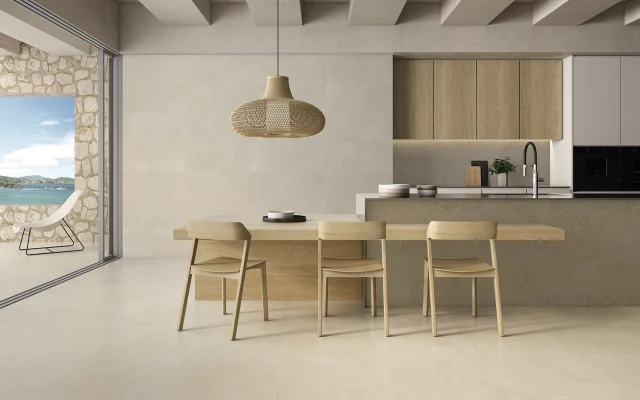
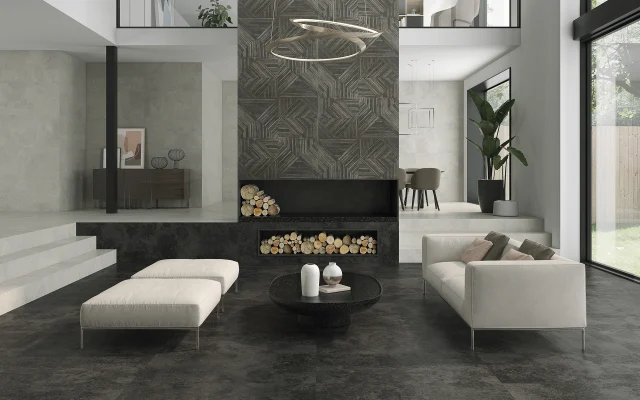
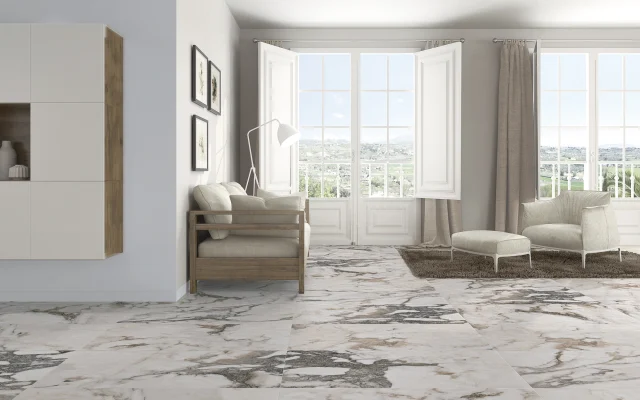
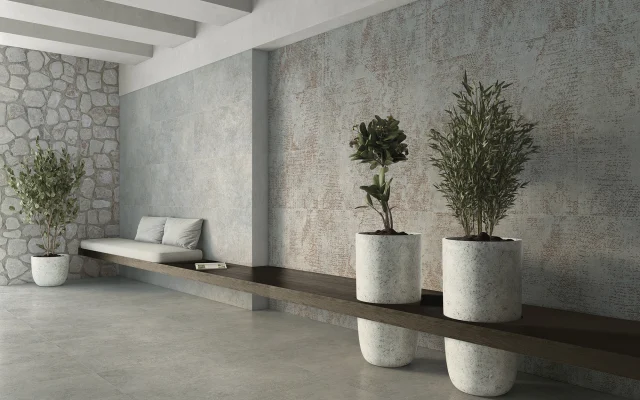
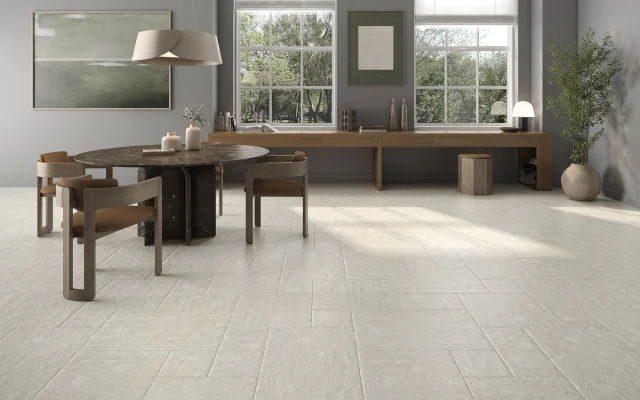
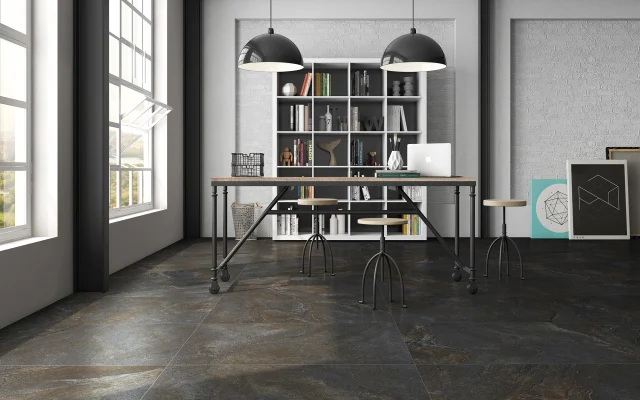
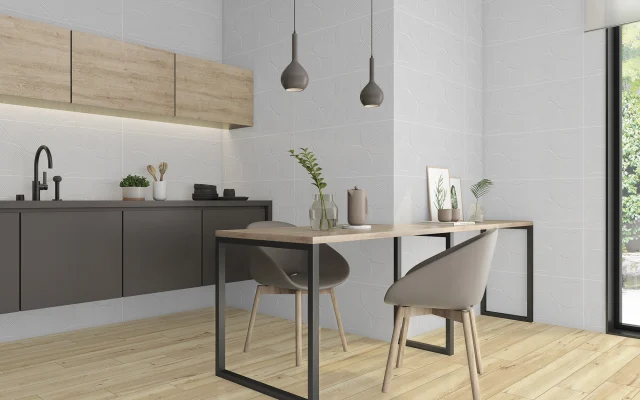
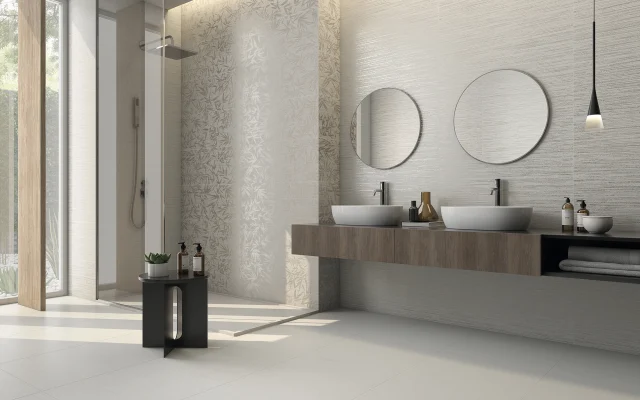
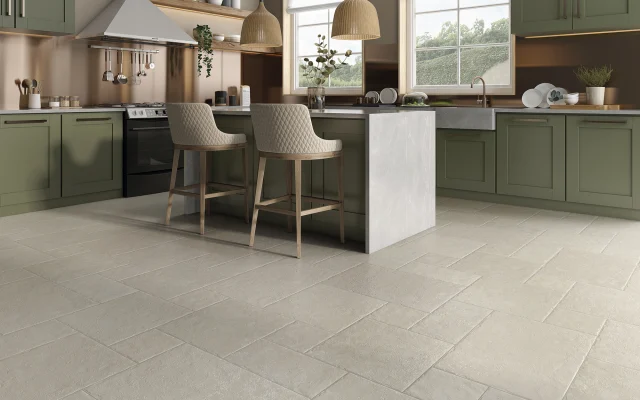
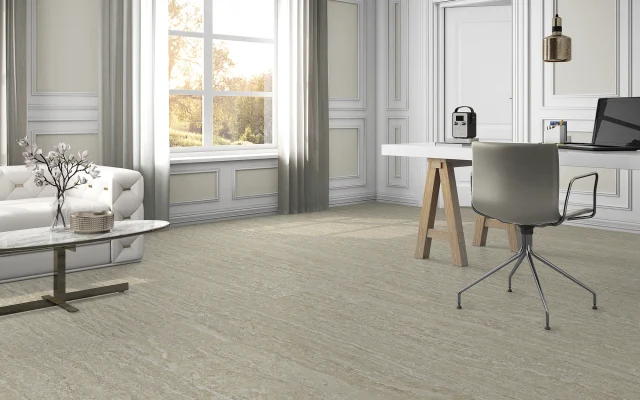
D-Line is our in-line decoration technology: relief and texture are applied to the tile surface during manufacturing itself, rather than as a later treatment. The result is a finish with real depth and texture, not just a printed effect.
Which collections feature D-LINE?
D-LINE PLUS
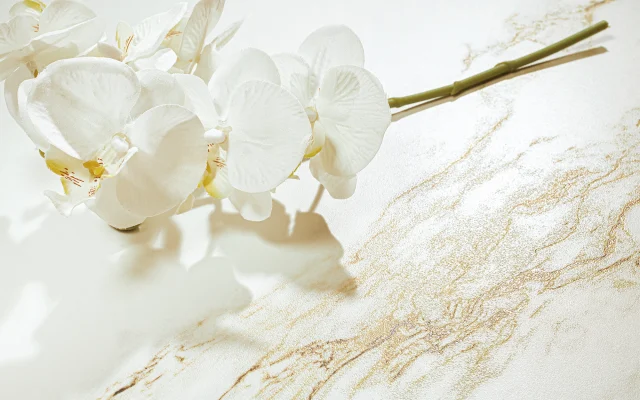
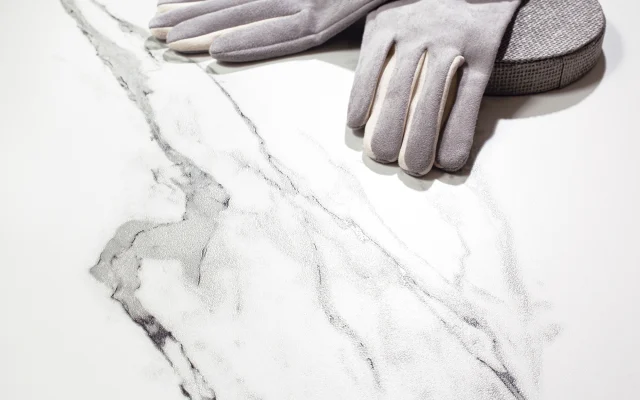
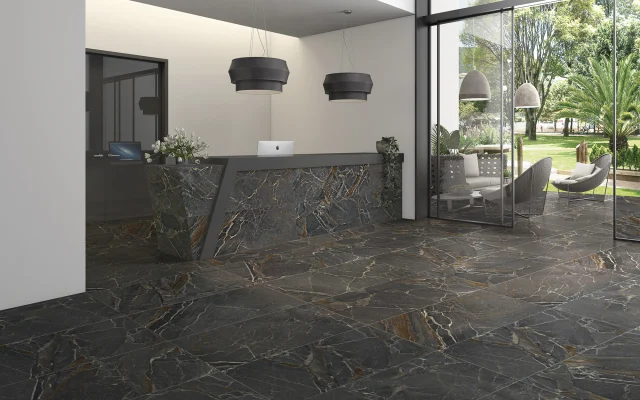
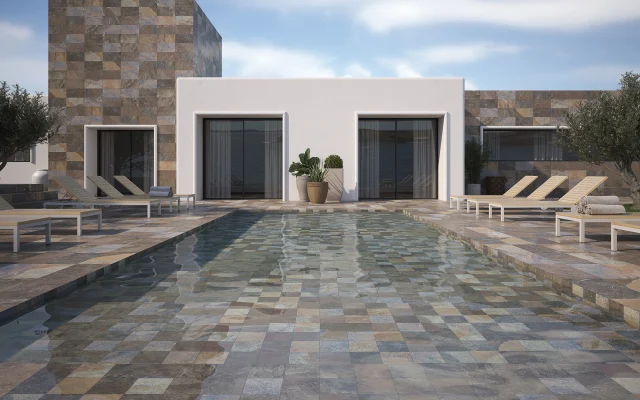
D-Line Plus is the next step on from D-Line: it uses special inks and frits that fuse with the tile, achieving two different finishes — matt and gloss — on a single surface, with greater wear resistance than conventional decoration.
Which collections feature D-LINE PLUS?
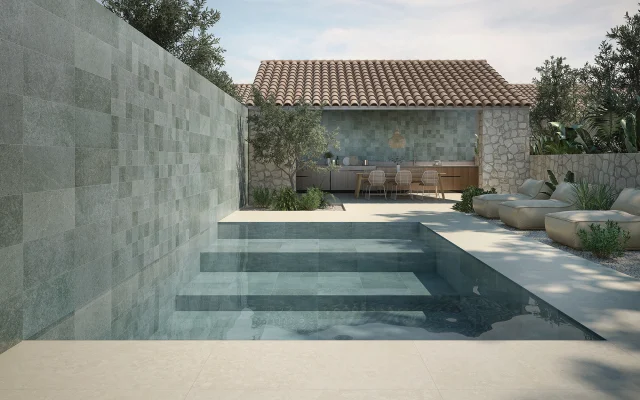
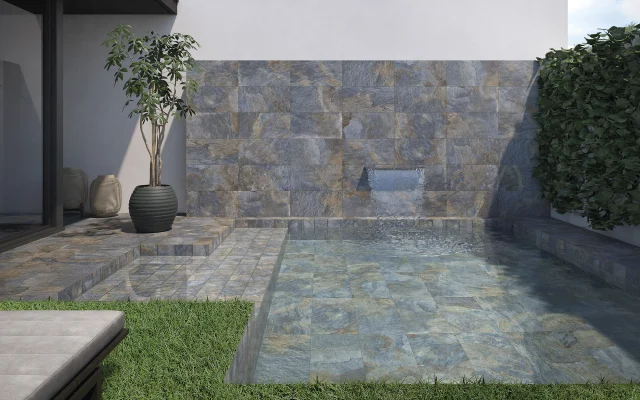
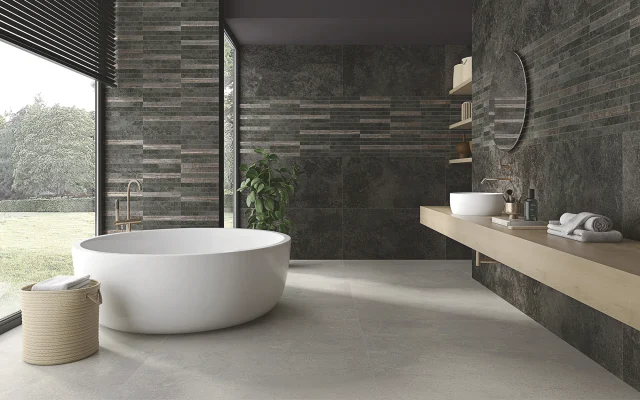
ADL
ADL is what we call our models with an anti-slip finish: a surface developed to offer more grip and safety in everyday use. Certified class 3 to UNE ENV 12633:2003, designed for spaces where function, durability and looks all have to work together.